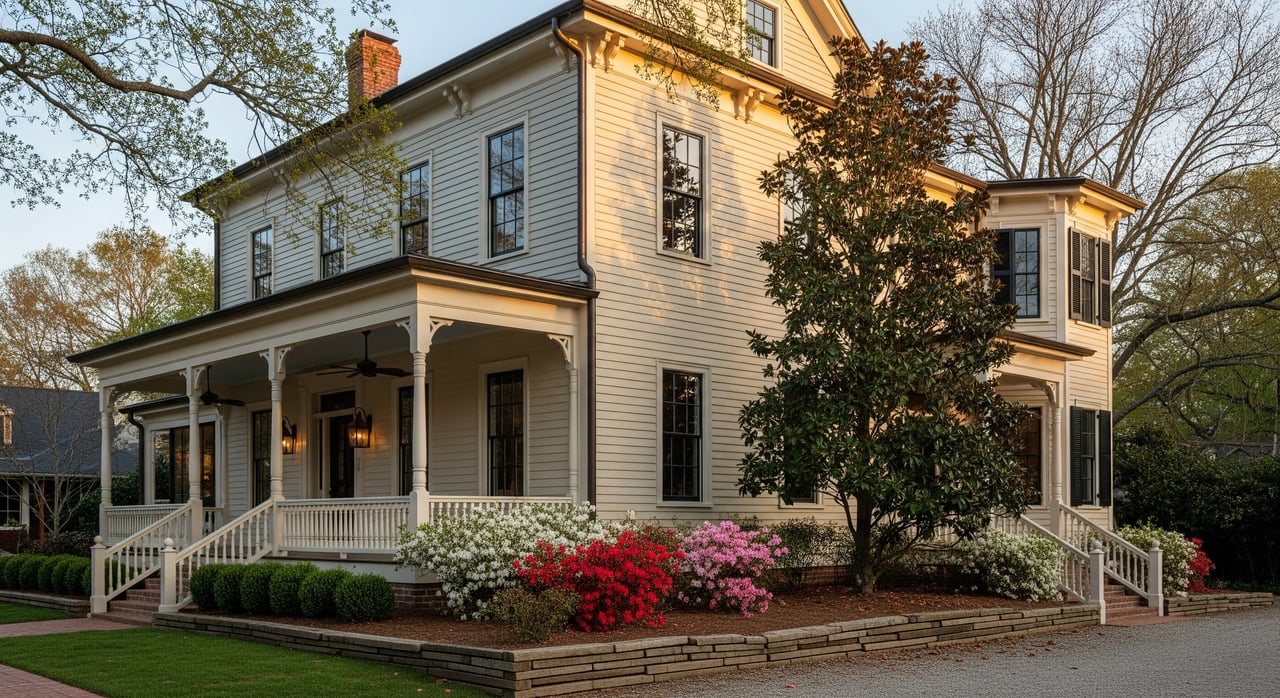
Guide to Kennesaw Historic District Renovation Approvals
October 16, 2025
October 16, 2025
Love the character of your Kennesaw home but want modern comfort and value? Updating in the Historic District can feel tricky if you are not sure what the city allows. With the right plan, you can protect your home’s charm, meet local rules, and tap possible incentives. This guide breaks down approvals, smart upgrades, and a simple step-by-step process so you can move forward with confidence. Let’s dive in.
Kennesaw treats its locally designated Historic District as a single area for design review. The city’s Historic Preservation Commission (HPC) oversees exterior changes and uses the official Design Standards to guide decisions. Review the city’s current Design Standards for the Historic District and the HPC page before you plan work.
The Design Standards explain what is appropriate for materials, proportions, and treatments on historic homes. They interpret the Secretary of the Interior’s Standards for Rehabilitation in a Kennesaw context. Reading them early helps you avoid redesigns and delays.
Most visible exterior changes require a Certificate of Appropriateness (COA) from the HPC. This often includes work like changes to facades, porch repairs, window or door alterations, roofline changes, additions, and visible new construction. The HPC page links to the COA application and meeting schedule.
In addition to HPC review, you will likely need building or trade permits. The City of Kennesaw’s Building Services team issues permits and handles inspections for structural, electrical, plumbing, and mechanical work. Start with Building Services to understand technical permit requirements.
National Register listing is an honor, but it does not control your day-to-day project. Local designation and the city ordinance trigger COA review. You can learn more about the National Register’s role from the National Park Service, then follow Kennesaw’s local process for approvals.
Georgia’s State Income Tax Credit Program for Rehabilitated Historic Property can provide a credit equal to 25% of qualifying rehabilitation expenses, capped at $100,000 for a principal residence. Projects must be certified by the Georgia Department of Community Affairs Historic Preservation Division and meet the rehabilitation standards. See the State Income Tax Credit Program for rules, and note DCA’s timing update that owner-occupied “Historic Home” applications open October 1, 2025, with work starting no sooner than January 1, 2026 on that pathway. Confirm current details on the DCA state tax incentives page before you begin.
Income-producing historic properties, such as rental or commercial buildings, may qualify for a federal credit equal to 20% of eligible rehabilitation expenses. Owner-occupied primary residences are not eligible for the federal credit. Review DCA’s overview of federal tax incentives to understand the certification process.
Some projects may qualify for a preferential property tax assessment that freezes assessed value for a period when rehabilitation meets certain thresholds. Check the DCA state tax incentives page for current programs and caps.
From a preservation and cost perspective, repairing existing windows often provides good comfort gains when combined with weather-stripping and storm panels. If replacement is necessary, select products that match historic profiles and muntin patterns as guided by the Design Standards. For overall rehabilitation principles, review the Secretary of the Interior’s treatment standards.
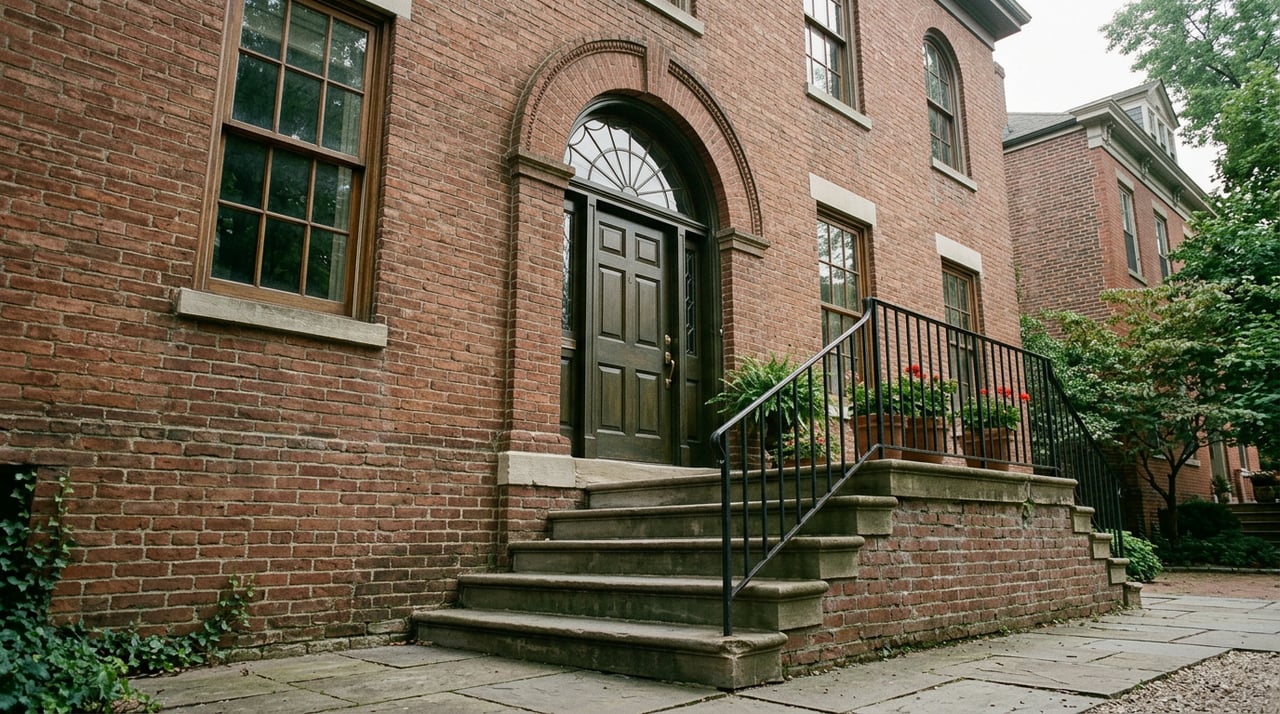
Match original materials and details where feasible, or use compatible alternatives that the Design Standards permit. Keep character-defining features like porch columns, balustrades, and trim. Place additions at the rear or sides when possible so they are less visible from the street.
Interior upgrades to HVAC, plumbing, electrical, and insulation are usually fine and often do not require HPC review. Visible elements like exterior equipment or solar panels may need approval and careful placement to reduce street visibility. Coordinate early with HPC and Building Services to avoid rework.
HPC meets monthly, so allow at least one meeting cycle for COA review, more if the project is complex or documents need updates. Building permit timelines vary by scope and completeness. Hire professionals who understand historic work and the Secretary’s Standards, and meet with city staff early to align on materials and details.
If you plan to sell within the next few years, choose improvements that preserve character and support long-term value. Thoughtful exterior repairs, compatible materials, and well-placed modern systems tend to show best and appraise more smoothly. When you are ready, professional staging and Compass Concierge can help you present your updated home at a high level and reach more buyers.
Ready to map your update and resale timeline with a local advisor? Reach out to Kimberly Eslinger for a friendly strategy session tailored to your Kennesaw home.
Stay up to date on the latest real estate trends.
Her empathetic nature enables her to get to the core of her clients’ needs and wants and her infectious personality helps make the process fun! She experiences extreme joy as she journeys alongside her clients seeking to find their next place to call "home".
KIMBERLY & GREG ESLINGER
1409 Peachtree St NE Atlanta GA 30309