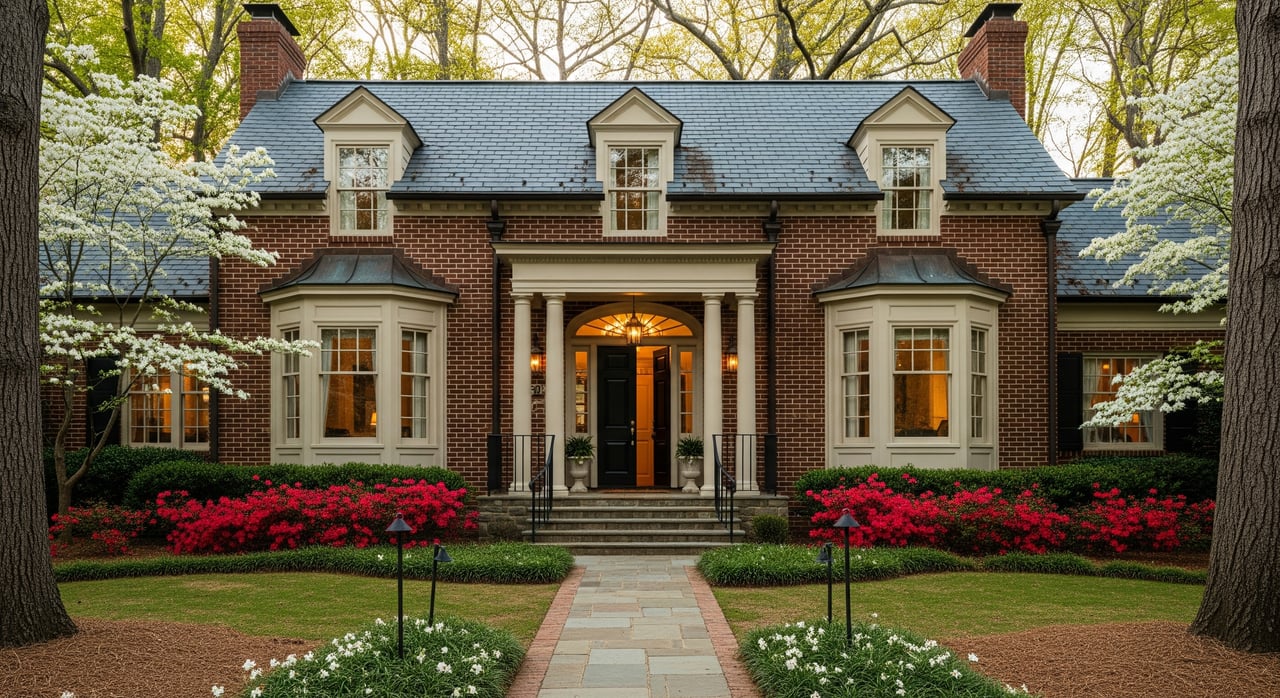
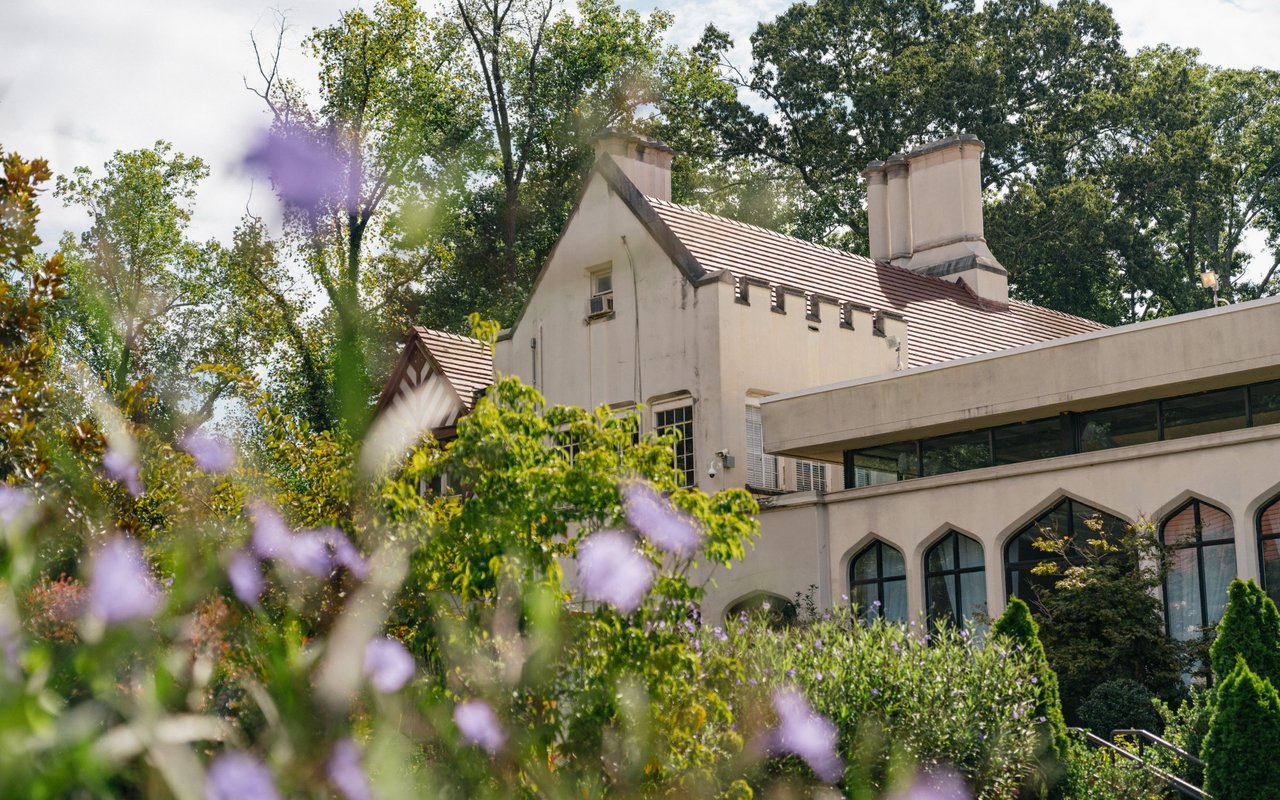
Do you picture a front porch a few blocks from Marietta Square or a cul-de-sac home with a big backyard and a builder warranty? Both paths can be right, but each comes with real tradeoffs in lifestyle, upkeep, energy use, and rules. If you are torn, this guide will help you compare what changes most for daily life and your budget in Marietta and Cobb County. You will get clear checkpoints, local resources, and financing options so you can move forward with confidence. Let’s dive in.
Start with lifestyle priorities
Your day-to-day rhythm should lead your search. Homes near Marietta Square offer a different feel than newer subdivision pockets across Marietta and Cobb.
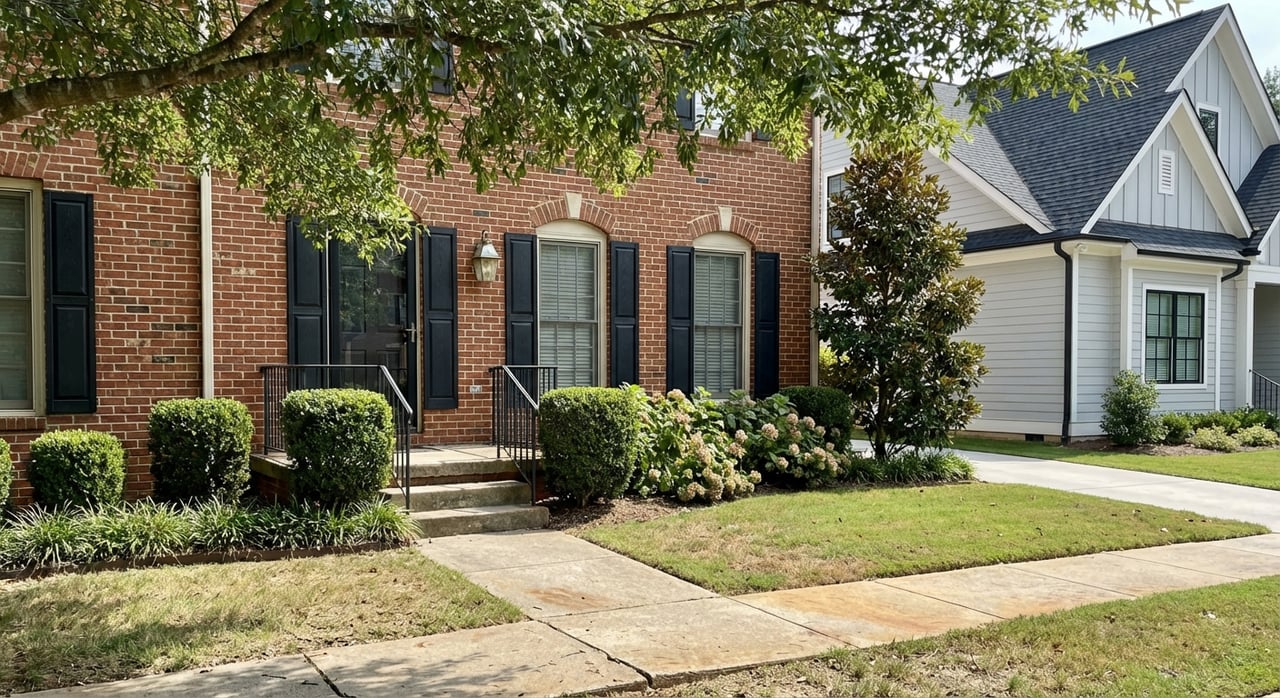
Near Marietta Square and historic districts
- You will find higher walkability, mature trees, and a lively calendar of downtown events. Living close to the Square means easy access to restaurants, arts, and community festivals. Explore the vibe in and around the Square to see if it fits how you like to spend your evenings and weekends. Learn more about the area’s amenities from this overview of Marietta Square’s dining, arts, and events.
- Lots tend to be smaller, with more street-facing porches and a traditional neighborhood grid. Expect more foot traffic and activity.
Newer subdivisions across Marietta/Cobb
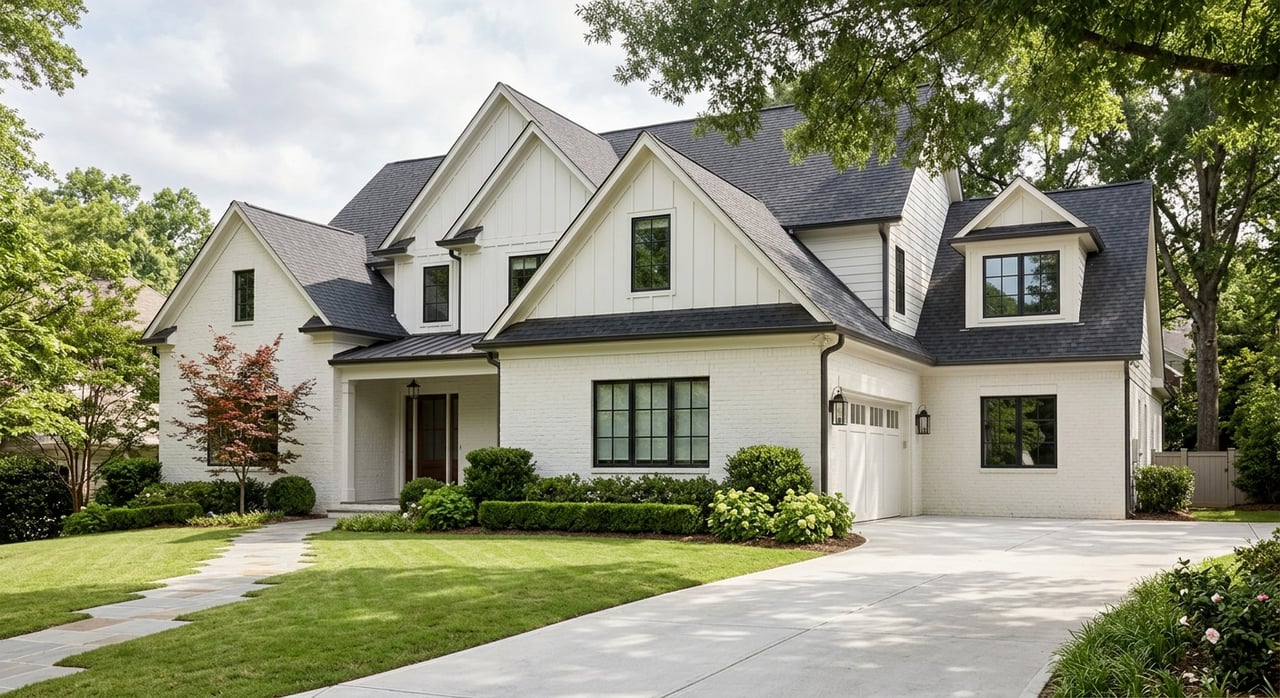
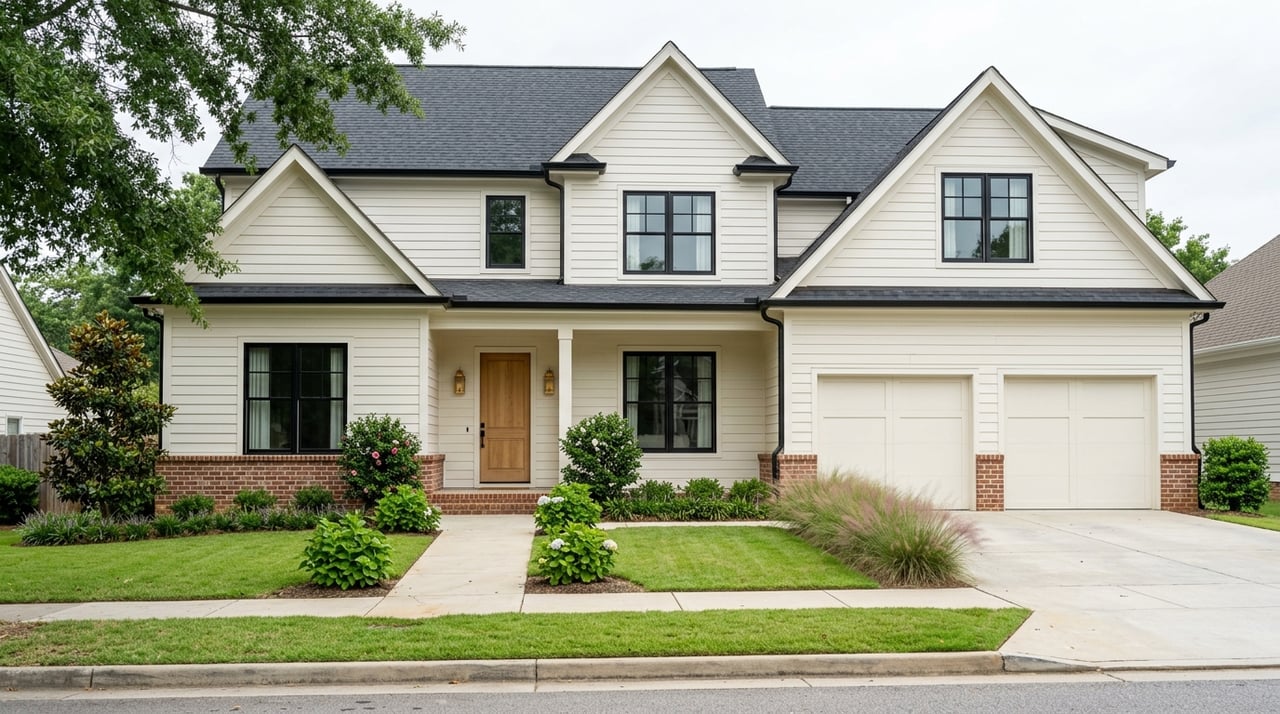
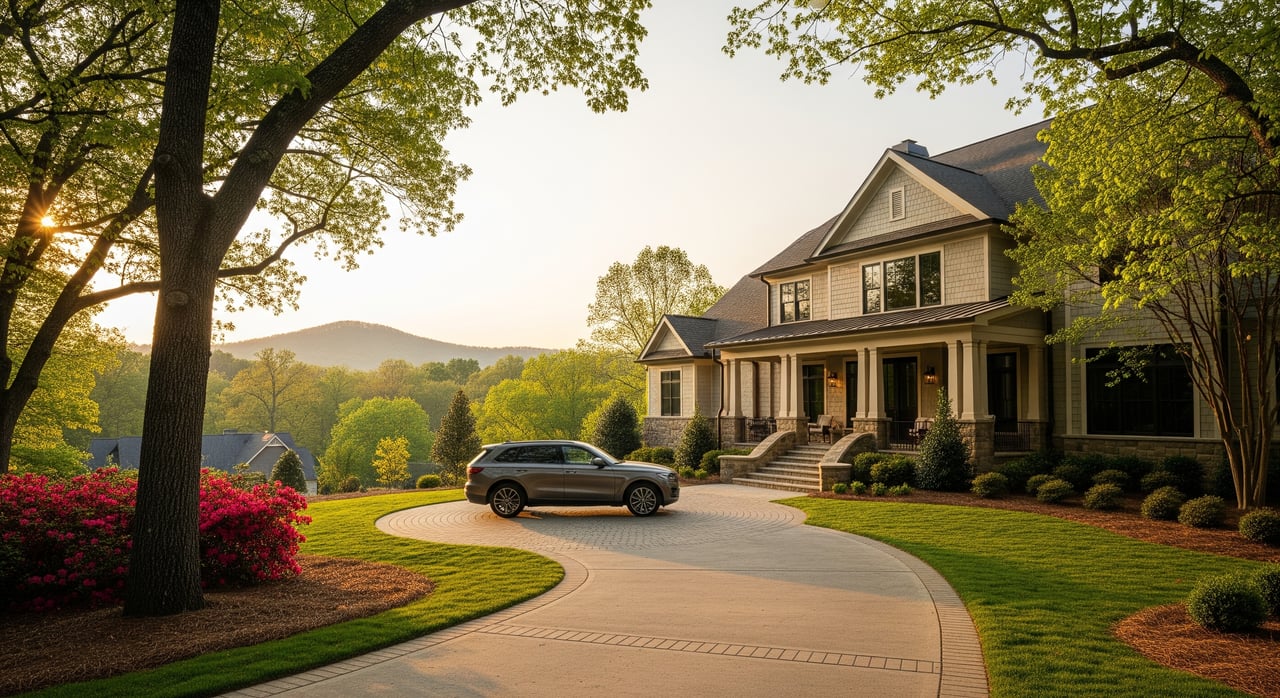
- Planned communities often include cul-de-sacs, larger yards, and modern infrastructure. Many developments add amenities like pools, sidewalks, and trails, typically managed by an HOA. See common features and ownership considerations in this guide to what to expect in a new-construction community.
- You will likely drive to restaurants and Glover Park-style events, but you may gain quieter streets and neighborhood amenities.
Layout and livability differences
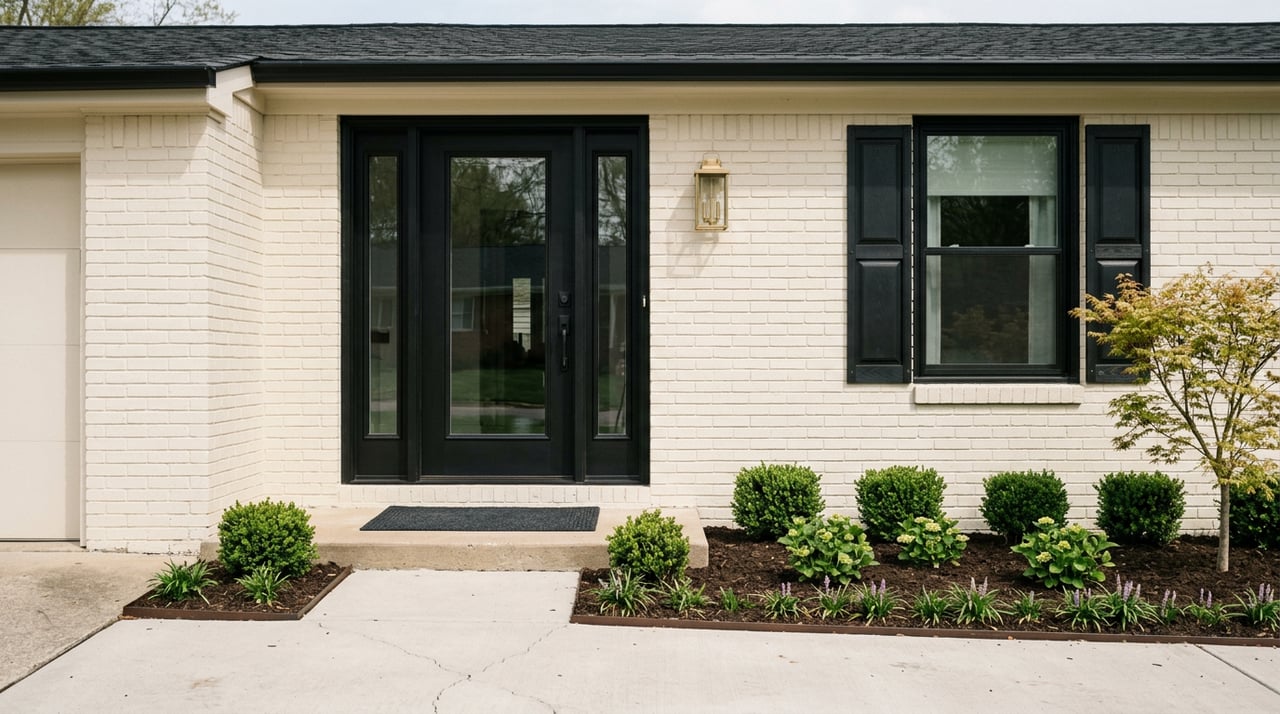
Historic homes in Marietta often include defined rooms, original hardwoods, porches, and higher ceilings. Kitchens and baths may be smaller by today’s standards, though many homes have sensitive updates.
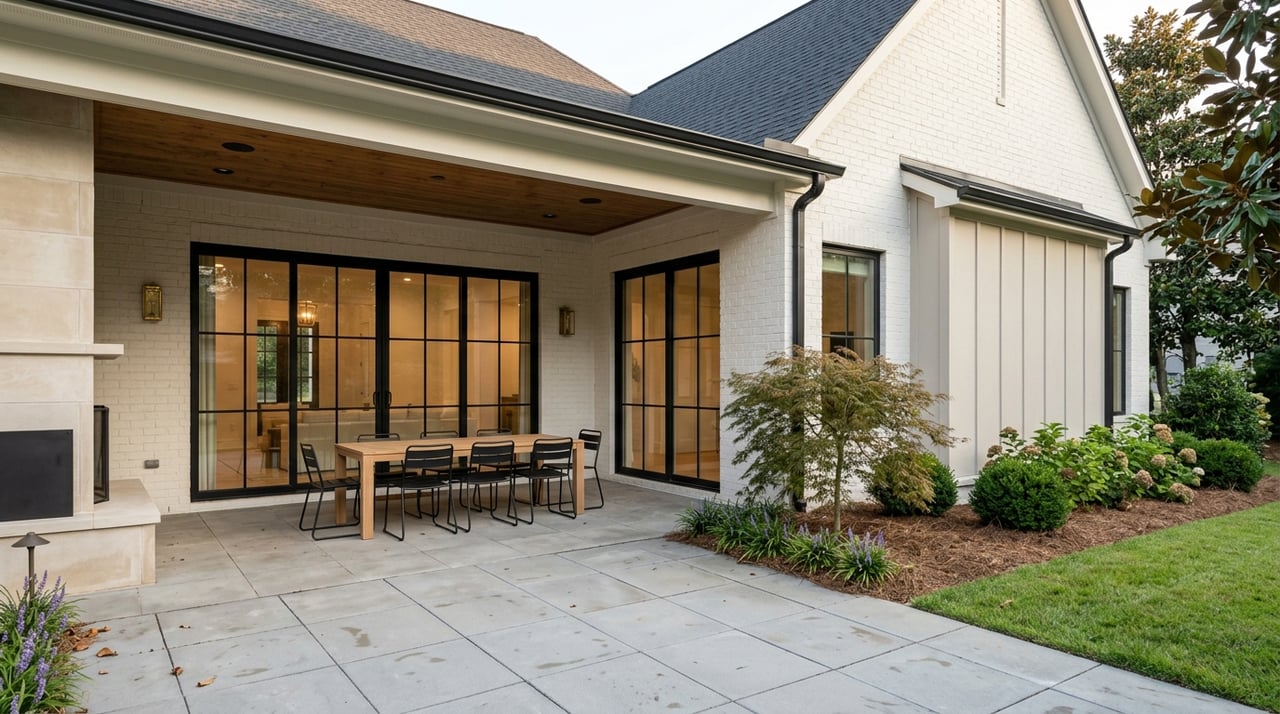
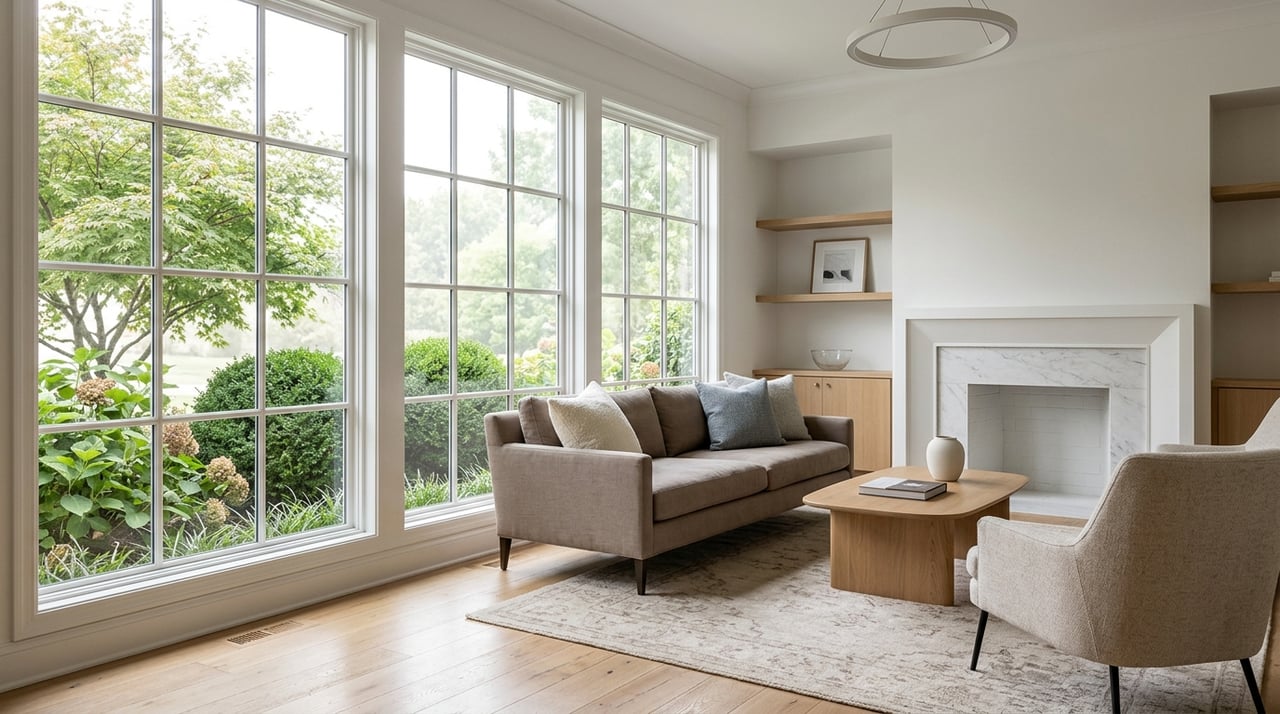
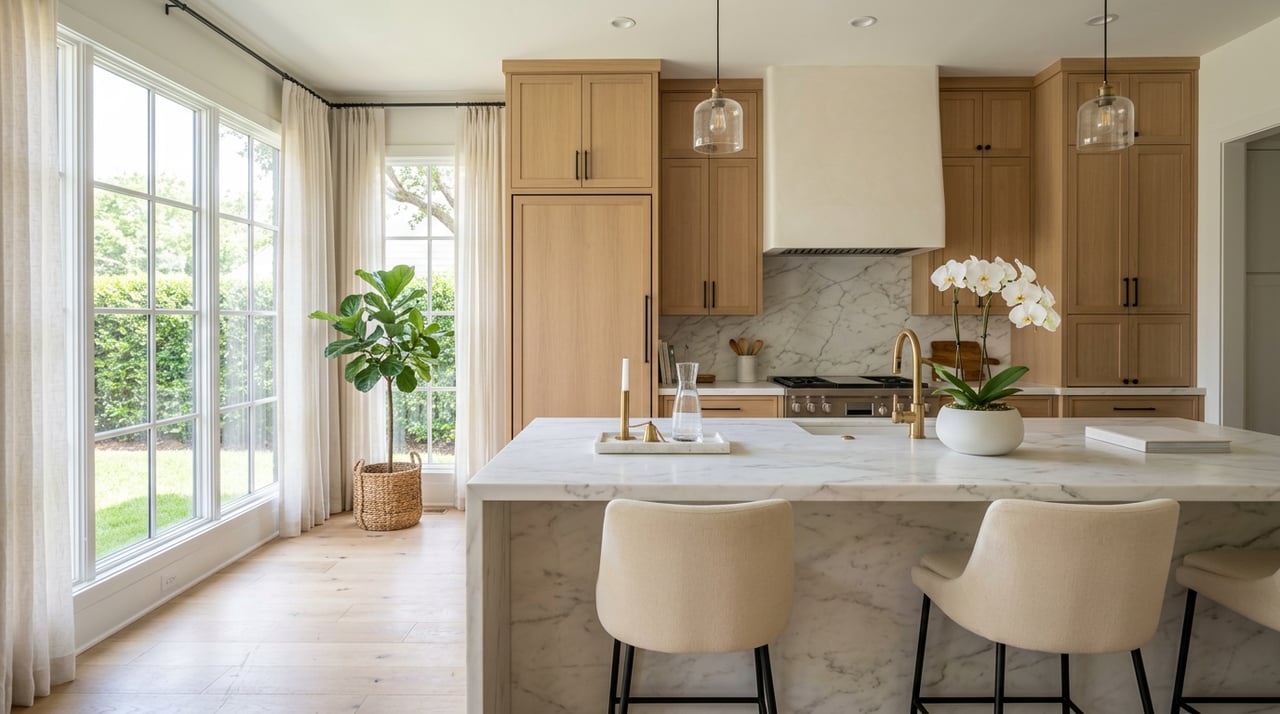
Newer homes typically feature open-concept living, larger kitchens, walk-in closets, multiple en-suite baths, and integrated garages. If you value modern flow and low near-term projects, a newer layout may fit you better.
Maintenance and risk: what to expect
Older homes can deliver unmatched character, but you should plan for careful inspections and possible system upgrades.
- Common older-home flags: aging roofs and flashing, older electrical like knob-and-tube or obsolete panels, cast-iron or galvanized plumbing, older HVAC, and potential lead-based paint in pre-1978 homes. A wood-destroying insect report is standard in our hot, humid climate.
- Insurance can be tighter with outdated systems. Some insurers limit coverage on hazardous wiring or very old mechanicals. Upgrading electrical and HVAC can expand options and reduce premiums. Confirm insurability and any insurer-required work before you commit.
- Newer homes often have builder warranties and lower early repair needs. Factor any HOA fees and builder-upgrade costs into your total budget.
Energy, resilience, and utilities
Marietta’s humid subtropical climate means cooling loads, summer humidity, and termite pressure are normal realities. The right home choice and upgrades can lower monthly costs and improve comfort.
- Historic homes can be retrofit for efficiency without losing character. Cost-effective steps include attic insulation, air sealing, storm windows, duct sealing, and efficient HVAC. The National Park Service provides guidance on preservation-minded energy upgrades that protect historic features. Review the NPS guidance on energy efficiency for historic rehabilitation.
- New homes benefit from modern codes, insulation, and duct design, which typically lowers first-year energy use.
- Utility service varies by address. Many in-city properties use Marietta Power and Water, while Georgia Power or Cobb EMC serve much of the county. Verify the provider early using this Marietta utilities overview.
- Solar and incentives in Georgia often follow net-billing, where exported energy may be credited below retail rates. Rules differ by utility, so confirm interconnection and compensation before modeling payback. Start with an overview of Georgia Power’s net-metering context, then confirm details with your specific utility.
Rules, permits, and incentives for historic homes
If you buy in a locally designated historic district, exterior changes usually require review and approval. Plan timelines and budgets accordingly.
- Marietta’s Historic Preservation Commission oversees design guidelines and Certificates of Appropriateness for exterior work visible from the street. Build time for review into your contract and renovation plans. See the city’s Historic Preservation Commission procedures and resources.
- Georgia’s historic rehabilitation tax credit can be a meaningful offset on qualifying certified work for historic homes. There are caps, application steps, and Standards to follow. Review the state’s historic rehabilitation credit for historic homes and plan pre-approval early if you expect a major project.
Financing your renovation
If the perfect home needs work, renovation loans can roll purchase and project costs into one mortgage.
- FHA 203(k) offers Limited and Standard options for different project sizes. Explore how it works and next steps through HUD’s 203(k) program page.
- Conventional routes like Fannie Mae HomeStyle Renovation can provide similar one-loan convenience for larger or design-forward projects. Check availability and terms with local lenders.
Appraisal, resale, and timing
Appraisals rely on comparable sales, which can vary by street and submarket. Renovations that modernize mechanicals and add usable square footage tend to appraise more consistently than purely decorative restorations. If your plan is a quick resale, newer homes can be simpler to price to the broad market. If you value character and plan a longer hold, quality restoration in a walkable pocket near the Square can protect and grow value over time. Use MLS-level comps for your exact ZIP and neighborhood when you are ready to offer.
A simple Marietta buyer checklist
Use these checkpoints to turn your preferences into a plan.
Define lifestyle first
- If you want to walk to dining and events, focus near the Square and older districts. If you want larger yards and amenities like pools, target newer subdivisions. Get a feel for Marietta Square’s amenities and events.
Budget with the right cushion
- For older homes, add a renovation contingency. Many buyers set aside 10 to 20 percent above initial estimates for systems like electrical, plumbing, and roofing. Newer homes often mean fewer early projects but include HOA fees and possible builder upgrades.
Order targeted inspections
- Beyond a full home inspection, add electrical evaluation, lead-based paint and asbestos testing where age suggests risk, a termite report, and a sewer scope if plumbing is older. Do not waive contingencies until you have contractor-backed costs.
Check permits and preservation rules
Align financing to the project
- If you need work right away, consider a single-close renovation loan such as FHA 203(k) or a conventional renovation option. If your project could qualify for state historic credits, secure guidance before starting work to protect eligibility.
Plan energy and utility details
Verify flood and parcel specifics
What fits you best?
- Choose a historic home if you want a walkable, downtown-adjacent lifestyle, you love architectural character, and you are comfortable planning for inspections, possible system upgrades, and preservation rules.
- Choose a new build if you prefer low near-term maintenance, open layouts, larger closets and baths, and neighborhood amenities, and you do not mind driving to dining and events.
If you are still weighing both, the smartest move is to tour examples on each side, compare inspection findings and ownership costs, and let the numbers and your daily routine guide your decision.
Ready to talk through options, tap into local comps, and see a tailored list of homes on both sides of town? Schedule a consultation with Kimberly Eslinger to map your next steps.
FAQs
What changes need approval in Marietta historic districts?
- In locally designated districts, most exterior changes visible from the street require a Certificate of Appropriateness and must follow city design guidelines. See the city’s Historic Preservation Commission resources.
How do HOA rules differ from preservation rules?
- HOAs govern community standards and amenities, while historic-preservation rules focus on protecting character in designated districts. You can be subject to one, both, or neither depending on the address.
What inspections are essential for older Marietta homes?
- Order a full home inspection, plus targeted checks for electrical, lead-based paint and asbestos where age suggests risk, a termite report, and a sewer scope if plumbing is older. Get repair quotes before waiving contingencies.
How can I finance renovations on a home I buy?
- Renovation loans like FHA 203(k) can combine purchase and project costs into one mortgage. Conventional renovation options are available too; ask a local lender about terms.
What should I know about solar in Marietta?
- Georgia commonly uses net-billing, so exported energy may be credited below retail. Start with Georgia Power net-metering basics and confirm the exact program with your utility before modeling payback.
How do I check flood risk and parcel details in Cobb County?