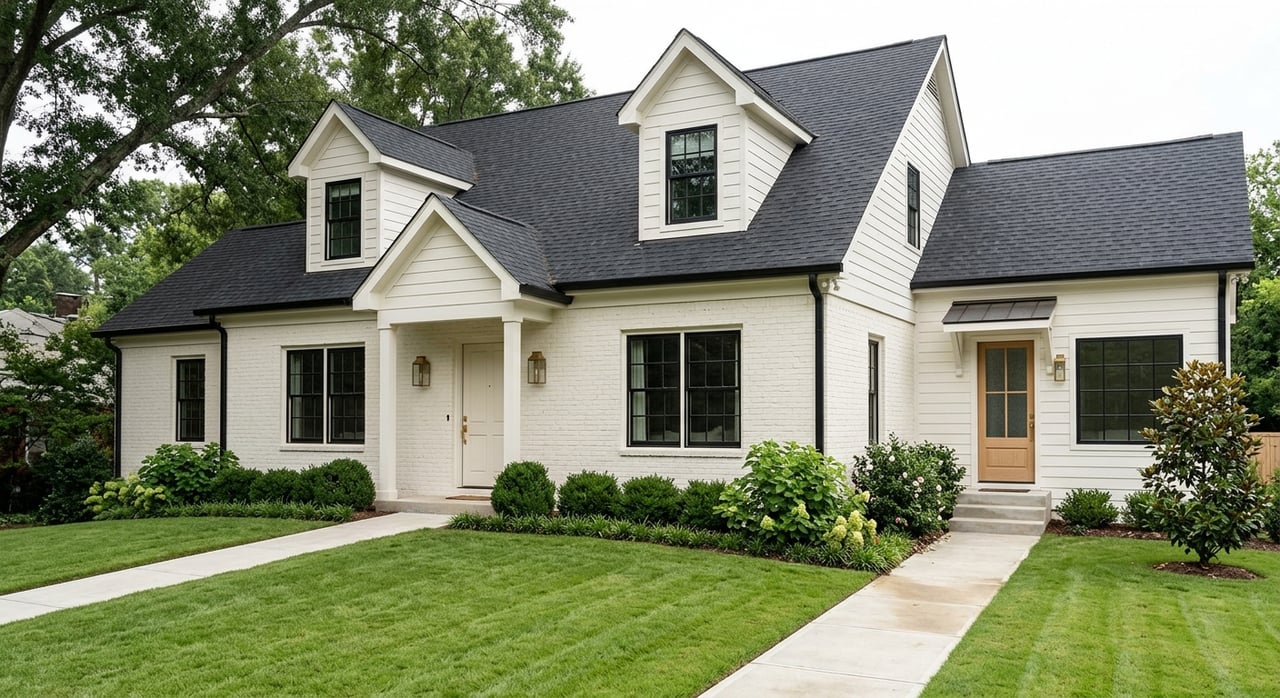
Is House Hacking in Kennesaw Right for You?
July 23, 2026
July 23, 2026
Wondering if you can lower your housing costs in Kennesaw by renting out part of the home you live in? You are not alone. For many buyers, house hacking is a practical way to make homeownership feel more manageable while still building long-term equity. In Kennesaw, the numbers and local setup suggest there may be real opportunity, but only if you choose the right property and do your homework first. Let’s dive in.
Kennesaw has several traits that can make house hacking worth a closer look. The city’s 2025 population estimate is 37,740, and 64.6% of housing units are owner-occupied. That matters because house hacking tends to work best in markets where owner-occupied homes are still a major part of the housing mix.
The cost and rent numbers are also interesting. Kennesaw’s median gross rent is $1,845, while the median monthly owner cost with a mortgage is $1,901. That relatively narrow gap suggests rental income from a roommate or partial living space could make a noticeable difference in your monthly budget.
Compared with the broader county, Kennesaw may offer a more accessible entry point for some buyers. The city’s median owner-occupied home value is $335,400, below Cobb County’s median of $407,200, while Kennesaw’s median rent is slightly higher than Cobb County’s median of $1,730. For a buyer looking at live-in investment potential, that combination is worth paying attention to.
Kennesaw also benefits from long-term growth, proximity to Kennesaw State University, and access to I-75 and US 41. Those factors can support steady demand from renters and commuters, which can strengthen the appeal of a well-planned house-hack setup.
In simple terms, house hacking means buying a home you plan to live in and renting out part of it to help offset your housing costs. That might mean leasing a bedroom, sharing a home with roommates, or using a lower-level space if it is legal and properly permitted.
In Kennesaw, the safest way to think about house hacking is as an owner-occupied strategy first. You live in the home, and you explore rental income in a way that fits the property, your loan terms, city rules, and any HOA restrictions. That is an important distinction because not every income idea works the same way under local zoning, code, or tax rules.
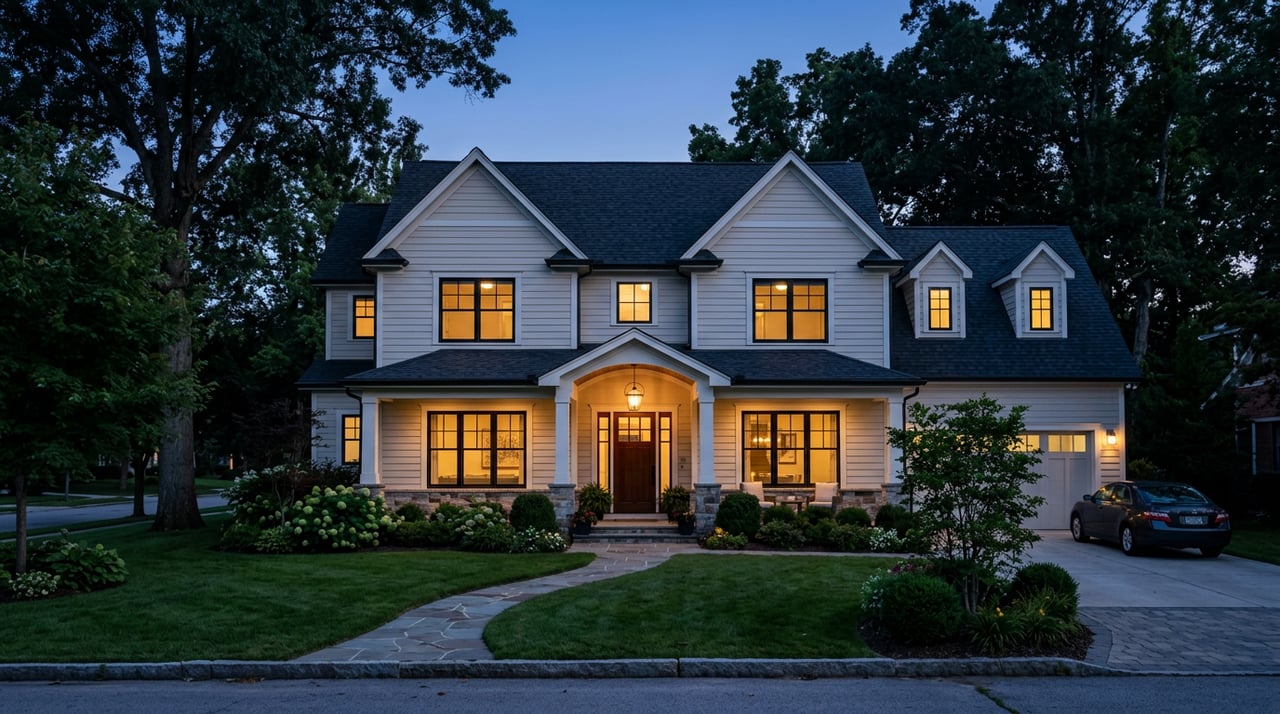
For many buyers, this is the most straightforward option. A single-family home with multiple bedrooms and bathrooms can give you enough separation to share the home without feeling like you gave up all your privacy.
Look for layouts that naturally support shared living. Split-bedroom floor plans, upstairs and downstairs separation, or homes with a bonus or flex room can create a more comfortable setup for both you and a renter.
Finished basements, daylight lower levels, and converted bonus spaces can look appealing for house hacking. They may offer extra privacy and a stronger sense of separation than a standard bedroom rental.
Still, this is where buyers need to slow down and verify details. In Kennesaw, a basement rental or lower-level rental is not just a floor-plan question. It is also a zoning, permit, safety, and parking question.
Some buyers also look at garage conversions, attached additions, or other accessory-space ideas. These can be promising, but they should always be treated as a check-first opportunity, not an assumed use.
Kennesaw has had active discussion around accessory dwelling unit rules, including 2025 town halls on proposed ADU ordinances. That means you should verify the current ordinance directly before making an offer based on future accessory-unit income.
A home can seem perfect for house hacking on paper and still run into local issues. In Kennesaw, your due diligence needs to go beyond bedroom count and square footage.
Kennesaw’s Planning and Zoning Department handles land-use issues and applications. The city’s zoning reference guide highlights land-use tables, building standards, parking space requirements, and accessory structures as key areas to review.
If you are planning to rent out part of a home, verify that your intended use fits the zoning for that property. You should also confirm whether the lot and existing improvements meet parking requirements and whether any exterior changes would need review.
Kennesaw’s Building Services Department enforces Georgia State Minimum Standard Codes and uses an online permit and inspection process. If a property has a finished basement, separate entrance, extra bathroom, or another converted space, do not assume the work was properly approved.
Before you count on that area for rental use, confirm whether permits and inspections were required and completed. This can protect you from expensive surprises after closing and help you avoid using a space that is not compliant.
If your plan involves short-term rental income instead of a long-term roommate, Kennesaw treats that use as regulated business activity. The city has dedicated short-term-rental paperwork, including an occupational tax application, a notice to interested parties, and an agent acknowledgment form.
The application process includes a parking plan, a 250-foot buffer check, and approval tied to obtaining the city’s occupational tax certificate. In other words, short-term rental house hacking is not something to assume you can do automatically. It needs to be researched and approved before you move forward.
If you are house hacking while living in the home as your primary residence, property tax treatment may be different than it would be for a full rental property. Georgia’s homestead exemption applies to a home actually occupied and used as the owner’s primary residence, with applications filed through county tax officials.
That means owner occupancy can help preserve homestead treatment. If you later move out or convert the entire property to rental use, your eligibility could change. It is smart to ask a tax professional how your specific setup may affect homestead exemption, depreciation, and rental income reporting.
Before you buy a home in Kennesaw with house hacking in mind, it helps to walk through a clear plan. This can keep you focused on what is actually possible, not just what looks possible in a listing.
Here are the main items to verify:
Not every home in Kennesaw is a good house-hack candidate. The best opportunities are usually the ones that balance comfort, legality, and realistic income potential.
As you tour homes, pay close attention to privacy, parking, and flexibility. A three- or four-bedroom home with a thoughtful layout may work better than a larger home with awkward flow. A lower level with natural separation may be useful, but only if its finish and access meet local requirements.
It is also wise to think beyond day one. A home that works for roommates now and still functions well for resale later can give you more long-term flexibility. In a suburban market like Kennesaw, that balance often matters just as much as the immediate rent potential.
House hacking can be a great strategy, but it asks you to evaluate a home through more than one lens. You are not just buying a place to live. You are also testing whether the layout, local rules, and carrying costs support your bigger financial goals.
That is where a local, detail-oriented approach matters. The right guidance can help you compare homes, spot red flags early, and focus your search on properties that fit how you actually want to live.
If you are exploring house hacking in Kennesaw and want a practical, local perspective on what may work, connect with Kimberly Eslinger. She can help you evaluate neighborhoods, layouts, and next steps with the kind of clear, responsive guidance that makes the process feel much more manageable.
Stay up to date on the latest real estate trends.
Her empathetic nature enables her to get to the core of her clients’ needs and wants and her infectious personality helps make the process fun! She experiences extreme joy as she journeys alongside her clients seeking to find their next place to call "home".
KIMBERLY & GREG ESLINGER
1409 Peachtree St NE Atlanta GA 30309