Are you trying to choose between more yard space in East Cobb and a shorter drive in Smyrna? You are not alone. Many relocating families weigh these two popular Cobb County choices for the same reasons: housing style, HOA expectations, schools, and commute fit. This guide breaks down what matters most so you can match your lifestyle with the right neighborhood. Let’s dive in.
East Cobb vs. Smyrna at a glance
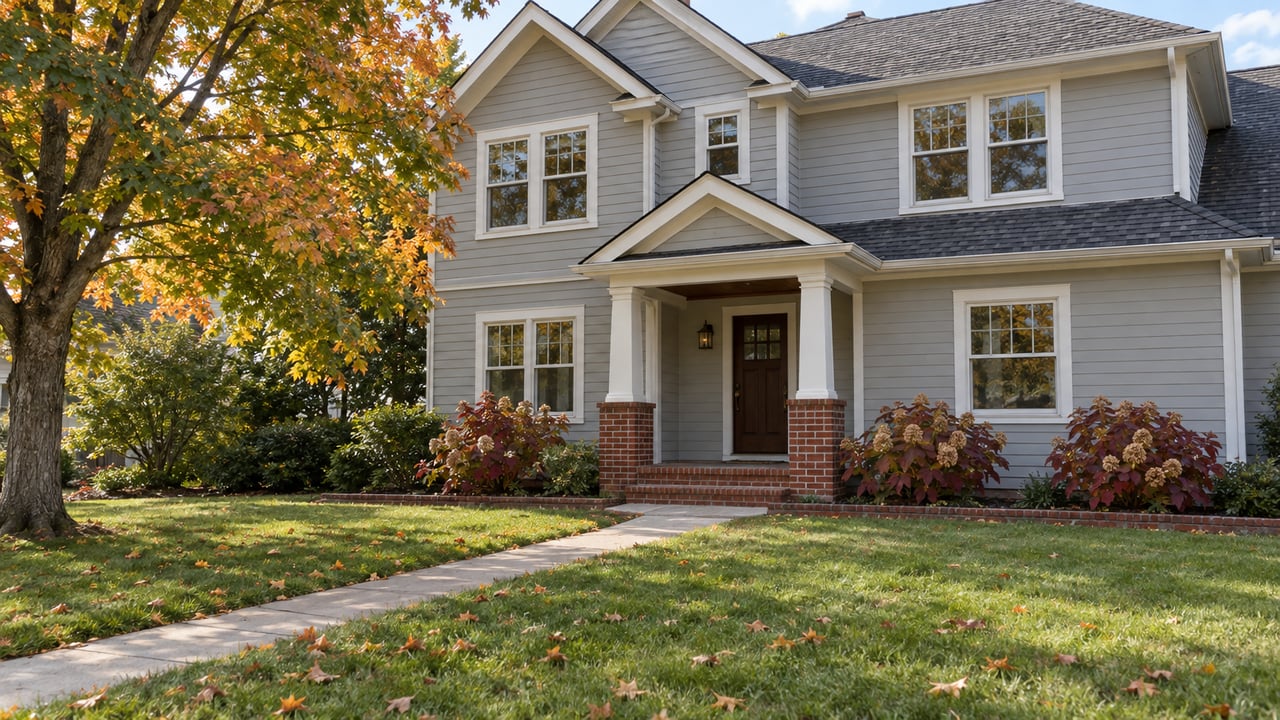
East Cobb is unincorporated Cobb County with many established single‑family subdivisions, larger lots, and mature trees. Smyrna is an incorporated town with a more mixed housing stock, a walkable downtown, and quick access to Cumberland and The Battery. In practice, East Cobb often means more private outdoor space and a high share of single‑family homes. Smyrna often means closer-in drives to major job centers and more townhome and condo options.
Housing: what you’ll find
East Cobb homes
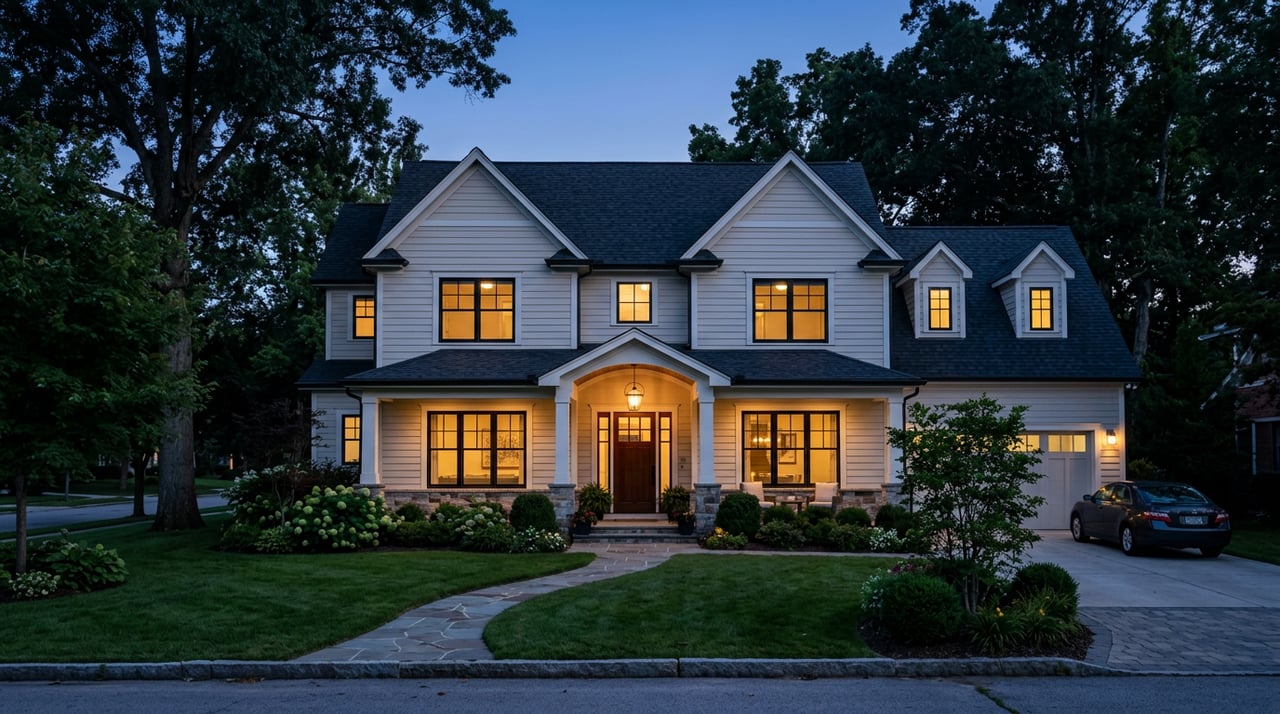
- Predominantly single‑family homes in planned subdivisions.
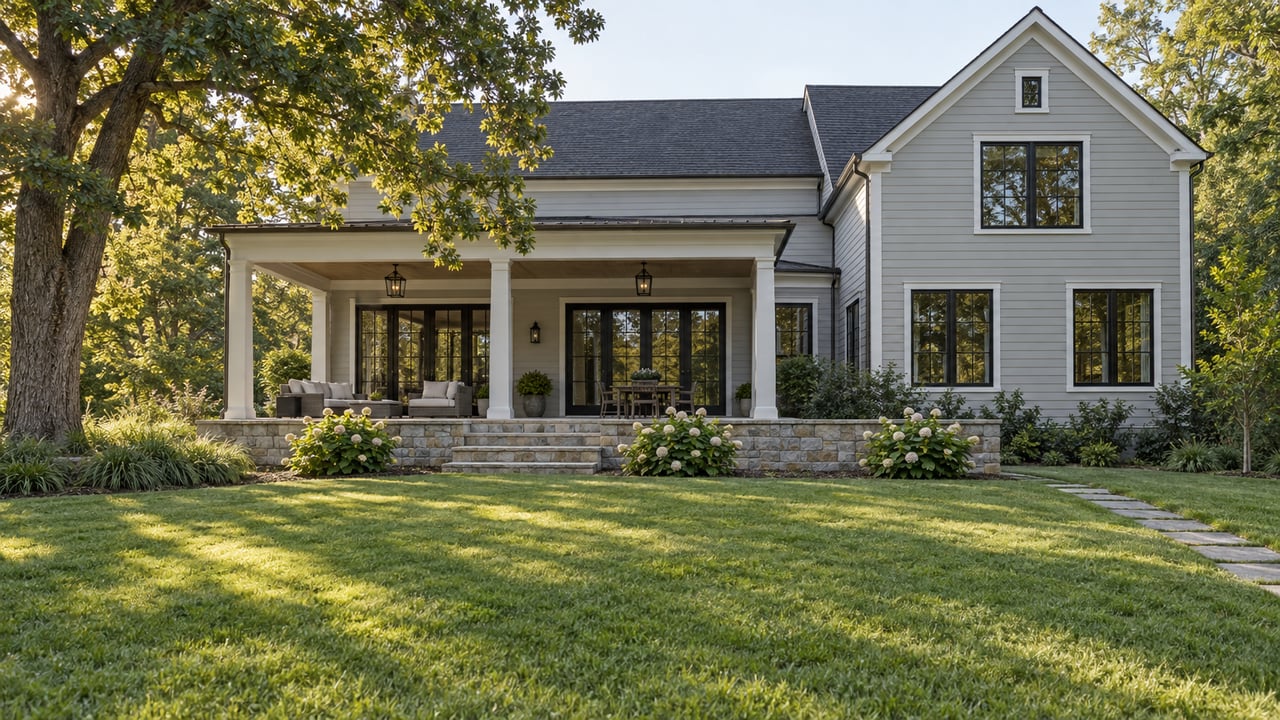
- Common layouts: 3–5+ bedrooms, two‑car garages, and yards with room to play or add a pool.
- Many neighborhoods were built in the 1970s–1990s with steady renovation or teardown‑rebuild activity over the last decade.
- Multifamily is limited inside East Cobb and tends to cluster near major corridors.
Smyrna homes
- A mix of older bungalows, mid‑century ranches, newer infill single‑family, and a notable share of townhomes and condos.
- Denser developments near downtown Smyrna and the Cumberland edge provide more attached options and modern amenities.
- Lots in older cores can be smaller. New construction often favors townhomes or smaller‑lot single‑family.
Price and value snapshot
- East Cobb typically sits at the higher end for single‑family homes in Cobb County due to lot size, home size, and established school reputation.
- Smyrna offers a wider range: entry points through condos, townhomes, and smaller older homes, with renovated single‑family and new builds near downtown or Cumberland commanding higher prices.
- Both areas have appreciated in recent years. Exact medians change quickly, so review current neighborhood‑level data before you write an offer.
New construction vs. resale
- East Cobb: Limited raw land. Expect small infill projects or teardown/rebuilds on existing lots. The resale market is the main path.
- Smyrna: More frequent infill neighborhoods and active townhome projects, especially near downtown and Cumberland. If you prefer turn‑key or new construction, Smyrna may offer more options.
HOA, schools, and services
HOA basics
- East Cobb: Many single‑family subdivisions have HOAs that maintain entrances, common areas, and sometimes pools or tennis. Rules can guide exterior changes, fencing, and landscaping standards.
- Smyrna: HOAs are very common in condo and townhome communities. Dues often cover exterior maintenance, amenities, and sometimes utilities. Older single‑family pockets may have no HOA.
- Smart step: Review CC&Rs, bylaws, meeting minutes, reserves, and special assessment history for any property you are considering.
Schools and attendance zones
- Both areas are served by Cobb County School District. East Cobb includes clusters commonly perceived as high‑performing by many buyers, while Smyrna schools serve in‑town neighborhoods with ratings that vary by school and change over time.
- Verify the current attendance zone for a specific address on the Cobb County School District site and review up‑to‑date performance on state reporting resources.
Municipal services and taxes
- Smyrna is an incorporated city. Municipal services such as police, code enforcement, parks, and permitting are managed by the city and supported by a municipal millage.
- East Cobb is unincorporated and served by Cobb County departments. Residents pay county and any special district taxes.
- For exact millage and property‑specific assessments, consult the Cobb County tax and assessor resources or the City of Smyrna for city specifics.
Commute and transportation
Major corridors
- East Cobb: Roswell Road/SR‑120 and Johnson Ferry Road connect toward Roswell, Sandy Springs, and the Chattahoochee corridor. Many commutes use I‑285, I‑75, or SR‑120.
- Smyrna: Direct access to I‑285 and I‑75 via Atlanta Road and Cobb Parkway. Proximity to Cumberland, The Battery, and the Galleria area often shortens trips to those employment hubs.
Commute times change by destination
- Pattern to expect: Smyrna is often quicker to Cumberland and central I‑75/I‑285 nodes. East Cobb can be competitive for northern suburban or Perimeter‑area commutes depending on your route.
- Peak traffic on I‑75, I‑285, and SR‑120 adds variability. Drive your commute during rush hour from specific addresses to see real‑world timing.
Transit and park‑and‑ride
- No MARTA heavy rail in either area. Cobb County’s bus and regional commuter services offer routes and park‑and‑ride options, with more nodes near Smyrna and Cumberland.
- Verify current routes and schedules with county transit providers. For road projects that might affect future travel times, check the Georgia Department of Transportation and the Atlanta Regional Commission.
Lifestyle and everyday livability
Parks and outdoors
- East Cobb: Neighborhood parks, school fields, and quick drives to the Chattahoochee River corridor. Many homes offer larger backyards for play and outdoor living.
- Smyrna: A compact downtown with parks and events, plus access to regional trails such as the Silver Comet in the broader area. Close to entertainment and green spaces near Cumberland and The Battery.
Dining, retail, and entertainment
- East Cobb: Daily conveniences are spread across local retail corridors and strip centers. Most errands are a quick drive.
- Smyrna: More concentrated dining and retail in downtown Smyrna and the Cumberland district, with a lively mix of restaurants, breweries, and programming.
Walkability and neighborhood feel
- East Cobb: Lower density and more auto‑oriented. Some subdivisions have sidewalks and walkable access to schools or parks, but most errands require a car.
- Smyrna: Walkable pockets, especially downtown. Many new developments are designed to support a park‑once lifestyle for daily needs.
How to choose: a practical checklist
- Define your must‑haves: yard size, home type, bedroom count, and HOA tolerance.
- Drive key routes at rush hour from any shortlisted address: work, daycare, schools, and after‑school activities.
- Confirm school attendance zones and recent performance using the Cobb County School District and state education resources.
- Review HOA documents and financials for any community you are considering. Ask about reserves and special assessments.
- Verify services and taxes: city services in Smyrna vs county services in East Cobb. Start with Cobb County and the City of Smyrna.
- Check for planned road projects or new development that could affect livability using the Georgia Department of Transportation.
- Walk the neighborhood at different times to gauge traffic, noise, and everyday convenience. Visit parks, grocery stores, and medical offices you will use.
Which is right for you?
If you want larger lots, established subdivisions, and a strong single‑family focus, East Cobb often fits well. If you value a shorter drive to I‑75 and I‑285, walkable pockets, and more attached or new construction options, Smyrna is compelling. The best choice aligns your budget, commute, and daily routine with the home and neighborhood that feel right.
When you are ready to compare addresses, decode HOA details, and stress‑test commute times, connect with Kimberly Eslinger. You will get a clear, step‑by‑step plan to find the right fit and move forward with confidence.
FAQs
What is the biggest housing difference between East Cobb and Smyrna?
- East Cobb leans heavily toward single‑family homes on larger lots, while Smyrna offers a broader mix that includes many townhomes, condos, and newer infill options.
How do HOAs typically differ in each area?
- East Cobb HOAs are common in single‑family subdivisions and focus on common areas and amenities. Smyrna HOAs are especially common in condos and townhomes and often include exterior upkeep and amenity maintenance.
Are property taxes higher in Smyrna than East Cobb?
- Both are in Cobb County, but Smyrna adds a municipal millage for city services. Check the exact rate and a property’s assessed value with Cobb County and the City of Smyrna.
What should I know about commuting to Cumberland or The Battery?
- Smyrna’s proximity to I‑75 and I‑285 often shortens drives to Cumberland and The Battery. East Cobb commuters typically use SR‑120 or Johnson Ferry to reach the interstates, which can add time at peak.
Is there MARTA rail service in East Cobb or Smyrna?
- No. Neither area has MARTA heavy rail. Bus and commuter services and park‑and‑ride options serve parts of Cobb County, with more nodes near Smyrna and Cumberland.