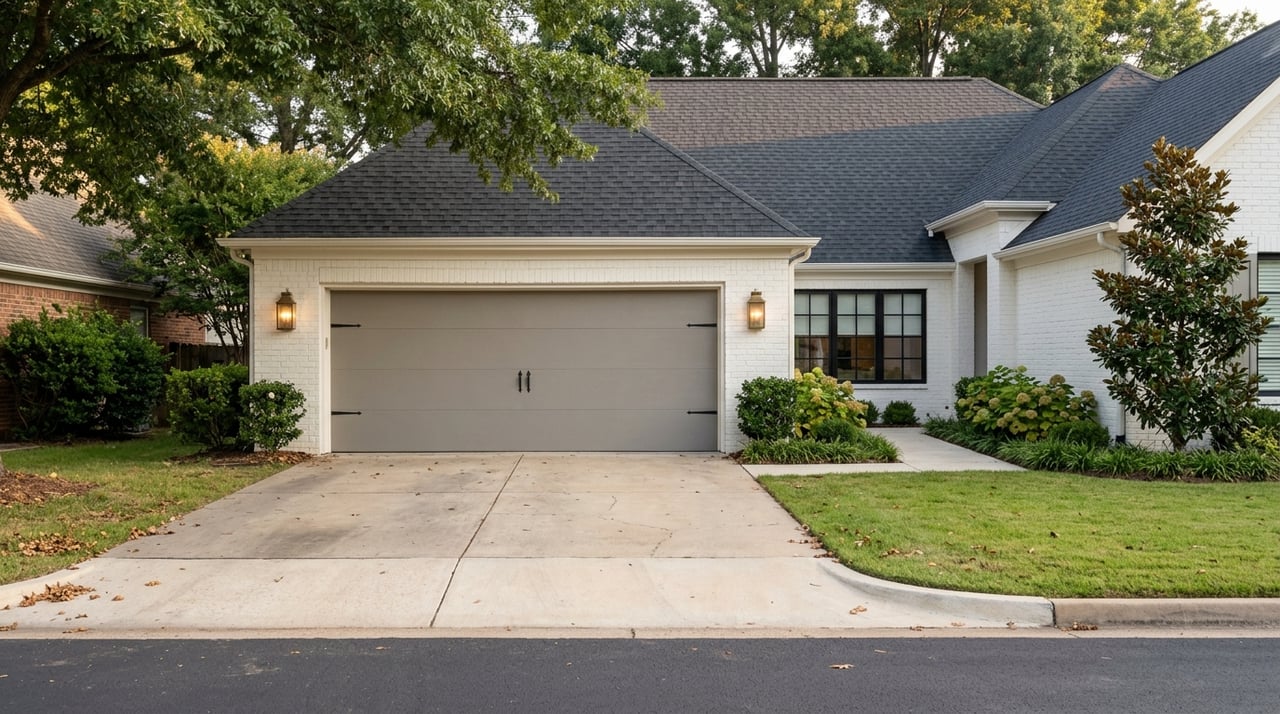
How to Choose a Woodstock Neighborhood for an Atlanta Commute
July 9, 2026
July 9, 2026
If your work takes you toward Atlanta, choosing the right Woodstock neighborhood is not just about square footage or curb appeal. In Woodstock, your day-to-day commute can change a lot based on which roads feed your route, whether you drive every day, and how much you value walkability once you get home. This guide will help you think through the tradeoffs so you can narrow your search with more confidence. Let’s dive in.
Woodstock’s commute picture is shaped heavily by I-575 and the local roads that connect to it. Cherokee County planning materials and Atlanta Regional Commission information point to recurring congestion on Towne Lake Parkway, SR-92, Main Street through downtown Woodstock, and around the I-575/Ridgewalk Parkway interchange.
That matters because two homes that look equally convenient on a map can perform very differently during the times you actually travel. In many cases, the feeder road is the real story, not just the neighborhood name or ZIP code.
Before you compare neighborhoods, get specific about where you actually need to go. A Midtown commute, a Downtown Atlanta commute, and a Perimeter commute can lead to very different priorities when you look at Woodstock.
If you work a hybrid schedule, your experience may vary even more by day. ARC’s 2025 Regional Commuter Survey found that telework remains common, with Monday and Friday showing more telework and midweek seeing more commuting, while driving alone remains the dominant mode.
That is why it helps to test your route on the days you will truly be on the road. A Tuesday morning may tell you more than a Friday, especially if your household follows a hybrid work rhythm.
When buyers think about commute convenience, they often start with distance to Atlanta. In Woodstock, it usually makes more sense to start with access to I-575 ramps, interchange pressure points, and the roads you will use to get there.
Towne Lake is a major comparison point for many buyers because it offers strong suburban convenience. At the same time, transportation materials have repeatedly flagged the Towne Lake Parkway corridor and the I-575/Towne Lake interchange for congestion and improvement work.
That does not mean you should rule it out. It means you should separate access to shopping, dining, and everyday amenities from peak-hour commute ease.
The Ridgewalk area gives buyers a different kind of setup. ARC information notes queueing near the I-575/Ridgewalk Parkway interchange, including impacts onto ramps, Olde Rope Mill Road, and Woodstock Parkway.
For some buyers, being near this corridor still feels worth it because of newer mixed-use development patterns and direct highway orientation. For others, interchange backups may make another part of Woodstock feel simpler.
Downtown-adjacent living can be appealing if you want more walkability and a more connected daily routine. But Main Street through downtown Woodstock has also been identified as a recurring congestion area.
So if you love a downtown setting, make sure you look at the full route from your street to I-575 or to your workplace. The lifestyle benefits may be strong, but the drive pattern can be different from what you expect.
Woodstock offers several distinct living patterns, and your ideal neighborhood often comes down to how you balance commute access with everyday livability.
Woodstock’s zoning code describes the Downtown District as a place intended to continue traditional development patterns and support a pedestrian-oriented environment. The city also separately identifies a Downtown District and an Entertainment District.
For you, that can mean easier access to restaurants, errands, events, and a more walkable feel after work. If you want to park the car more often once you are home, downtown-adjacent areas may deserve a closer look.
The Ridgewalk Planning District is one of Woodstock’s clearest examples of a newer mixed-use pattern. The city’s zoning code identifies form-based areas such as New Community Village, New Community Town Center, Infill Village, and Infill Town Center within this district.
In practical terms, that can translate to a more modern corridor feel and stronger proximity to the I-575 side of Woodstock. If you like newer mixed-use surroundings and want to stay closer to major interchange routes, this area may fit your goals.
Woodstock also includes more traditional single-family zoning districts such as R-1, R-2, and R-3. These areas may appeal more if you want a quieter subdivision setting and are comfortable trading some walkability for a more conventional neighborhood layout.
That is an important distinction. Two homes at a similar price point can offer very different day-to-day experiences depending on whether they sit near downtown, in a mixed-use corridor, or in a conventional subdivision.
Your commute is not only about the trip to work. It is also about what life feels like when the workday ends.
Woodstock’s Greenprints trail system is a real quality-of-life factor for many buyers. City GIS mapping identifies trailheads, parks, current trails, Rope Mill trail markers, and completed connections such as the Ridge Trail to Main Street sidewalk and the Towne Lake Pass bridge to the Woofstock Park Trailhead.
If after-work walking, biking, or quick outdoor access matters to you, some neighborhoods may fit better than others even if most commuting still happens by car. That is especially useful to think about if you work hybrid and spend more time locally during the week.
Commuter transit can still be part of the conversation, but it helps to keep expectations current. Xpress says the I-75 North corridor has been reduced to a modified Route 484 serving Hickory Grove and Town Center/Big Shanty park-and-rides, and Woodstock Park-and-Ride customers are directed to use Town Center/Big Shanty.
That park-and-ride is about 7 to 10 minutes south along I-575. Xpress also notes that service generally runs Monday through Friday during early-morning and late-afternoon peak windows, so it works more as peak-period commuter transit than as an all-day alternative.
For buyers heading toward Midtown, park-and-ride access may still be useful if your schedule fits that pattern. For Perimeter-area commuters, the current Xpress corridor structure suggests you should expect to rely more on driving and connector roads than on a direct Woodstock-to-Perimeter commuter route.
Because Xpress is still in a service-adjustment period, it is smart to treat current route structures as something to verify during your home search. A neighborhood that seems transit-friendly on an old assumption may not match today’s setup.
If you are comparing Woodstock neighborhoods for an Atlanta commute, these questions can make your search much more practical:
These questions help move the search from broad assumptions to real lifestyle fit.
The best Woodstock neighborhood for an Atlanta commute is rarely the one that just looks closest on paper. More often, it is the one that matches your work destination, your actual driving days, and the kind of local lifestyle you want when you are not commuting.
Some buyers are happiest near downtown because walkability and trails make everyday life easier. Others prefer a location oriented more directly toward I-575 or closer to the current park-and-ride structure, even if the setting feels less walkable.
If you want help comparing Woodstock neighborhoods through the lens of commute patterns, home style, and day-to-day livability, Kimberly Eslinger can help you build a search around how you really live.
Stay up to date on the latest real estate trends.


Her empathetic nature enables her to get to the core of her clients’ needs and wants and her infectious personality helps make the process fun! She experiences extreme joy as she journeys alongside her clients seeking to find their next place to call "home".
KIMBERLY & GREG ESLINGER
1409 Peachtree St NE Atlanta GA 30309